How Many Grafts Do I Need?
 Written by Michael Seutin,
founder — former nurse, researching transplant pricing.
Written by Michael Seutin,
founder — former nurse, researching transplant pricing.
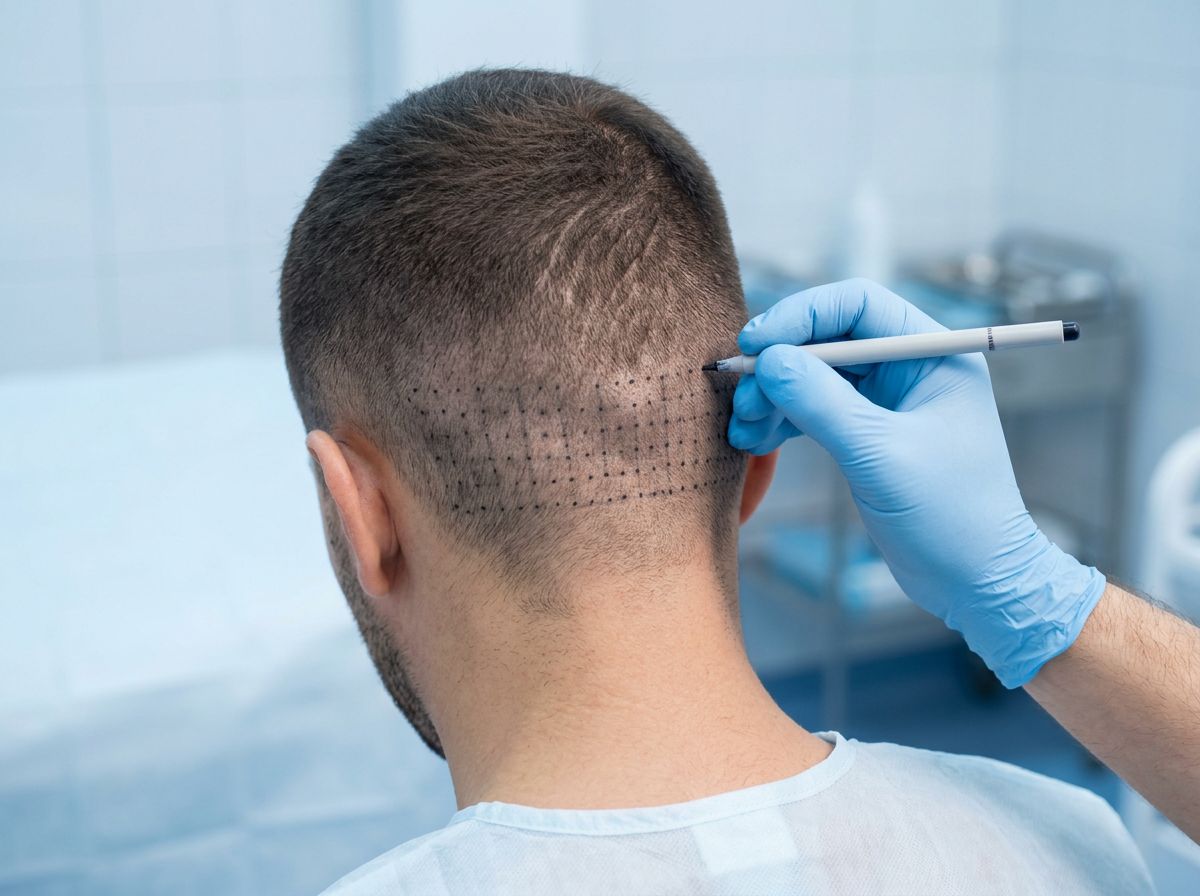
Somewhere between 500 and 6,500 — and the honest way to narrow that is your Norwood stage, the scale every clinic uses to classify male pattern loss. Find your stage below, or jump straight to the graft calculator.
Grafts by Norwood stage
| Stage | What it looks like | Typical grafts | Turkey package cost* |
|---|---|---|---|
| Norwood 2 | Slight temple recession ("mature hairline") | 500 – 1,500 | $1,500 – $2,500 |
| Norwood 3 | Clear M-shape recession | 1,000 – 2,000 | $1,800 – $3,000 |
| Norwood 3V | Recession + thinning crown | 1,500 – 2,500 | $2,000 – $3,200 |
| Norwood 4 | Deeper front loss, bald crown, solid bridge | 2,000 – 3,200 | $2,200 – $3,800 |
| Norwood 5 | Bridge thinning, areas merging | 2,800 – 4,200 | $2,500 – $4,200 |
| Norwood 6 | Front and crown fully merged | 3,800 – 5,500 | $3,000 – $5,000 |
| Norwood 7 | Horseshoe pattern only | 4,500 – 6,500 | $3,500 – $6,000+, often 2 sessions |
*All-inclusive Istanbul package ranges; US/UK per-graft pricing runs 3–8× — see the cost guide.
The three numbers that actually decide it
- Area to cover — measured in cm²; a hairline is ~30–50cm², front-plus-crown can exceed 200cm². More area, more grafts.
- Density target — natural density is 60–100 follicular units/cm²; transplants aim for 35–45/cm², which reads as full to the eye. Chasing native density burns donor supply fast.
- Donor capacity — the hard ceiling: most men can spare 6,000–8,000 grafts in a lifetime. This is why the surgeon's plan matters more than the biggest number a sales rep will promise.
Reading clinic quotes
Turkish clinics often sell "maximum grafts" packages — one price up to ~4,000–4,500 grafts. Sounds generous, but the incentive is to implant many grafts, not necessarily where you need them. A trustworthy quote states grafts per zone (hairline / mid-scalp / crown) on your photos. Get 2–3 quotes and compare the plans, not just the totals — our ranking methodology explains what else to check.
Compare clinics by price per graft
Compare quotes before you commit
Tell us roughly what you need. Michael reads every enquiry personally and replies with what our data shows on price, who operates, and what to ask before you pay a deposit. We don't forward your details to any clinic — no sales calls, no lead brokering.
Get told when a clinic's price or surgeon changes
We re-check every clinic we list against its own website. When one starts publishing a price, stops naming its surgeon, or changes what it charges, you hear about it. No recommendations, no sales calls, and we don't sell or share your address. Nothing is being sent yet — this is the list for when it is.
One-click unsubscribe in every email. Privacy Policy.
Graft questions, answered
There's no 'full head' number — grafts rebuild coverage, not teenage density. Typical totals: 1,000–2,000 for temple recession, 2,000–3,200 for front plus crown work, 3,800–5,500+ for extensive loss, often split over two sessions. The ceiling is your donor supply, usually 6,000–8,000 lifetime grafts.
No — a graft is a follicular unit containing 1–4 hairs. 3,000 grafts is roughly 6,000–7,500 hairs. Clinics that quote in hairs instead of grafts are usually making numbers look bigger; always compare in grafts.
Yes. The donor zone holds a finite lifetime supply — most men can spare 6,000–8,000 grafts total. That's why overharvesting at a cheap high-volume clinic is the most expensive mistake in this market: the hair doesn't grow back.
Either different plans (hairline only vs full coverage), different density targets, or one is inflating the count to justify a package price. Ask each to mark the target area on your photos and state grafts per zone — vague totals aren't comparable.
Plan for it. A good surgeon designs around continued loss — conservative hairline, reserves donor for later — and usually pairs surgery with finasteride/minoxidil to protect what's left. A clinic that transplants a 25-year-old's aggressive loss without that conversation is a red flag.